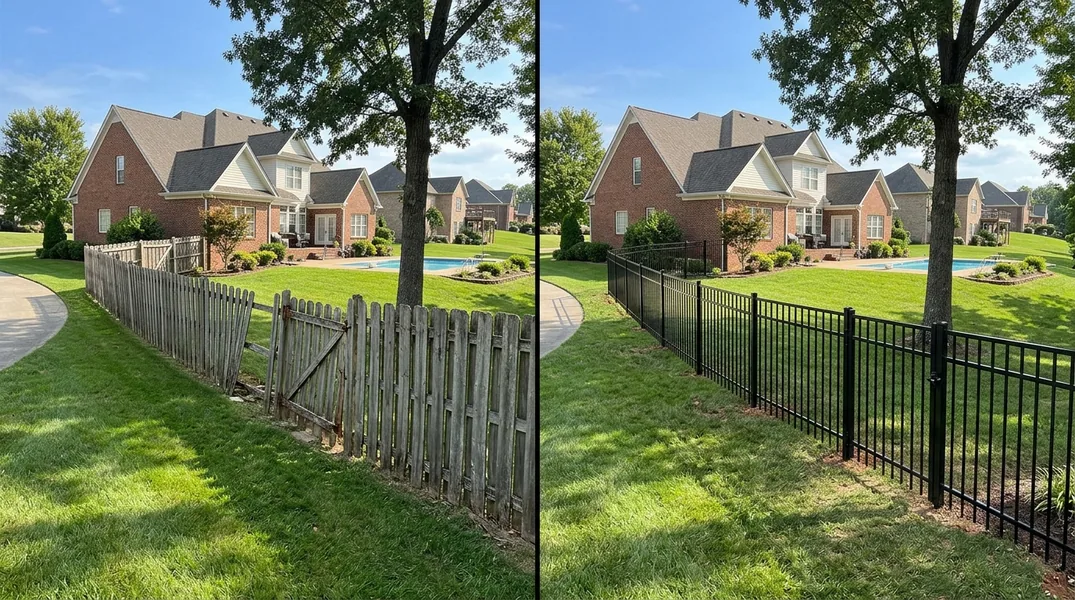
Understanding HOA Fence Rules in Farragut and Hardin Valley
If you own a home in Farragut or Hardin Valley and are considering a fence installation, you're likely dealing with a homeowners association (HOA). These communities pride themselves on maintaining consistent aesthetics and property values, which means most HOAs have specific guidelines about what you can and cannot build on your property. Before you call a contractor or start shopping for materials, it's essential to understand your HOA's fence rules.
The last thing you want is to invest time and money into a beautiful new fence only to receive a notice of violation from your HOA board. In Knoxville and the surrounding communities, HOA regulations can vary significantly from one neighborhood to another. Some associations are quite lenient, while others maintain strict architectural controls. Knowing these rules upfront saves you headaches, delays, and potentially costly removal or modifications down the road.
What Is Fence Approval from Your HOA and Why It Matters
Fence approval from your HOA is a formal process where you submit your fence plans to the architectural review committee or board for evaluation before construction begins. This isn't just a courtesy, it's typically a requirement outlined in your CC&Rs (Covenants, Conditions, and Restrictions) or HOA bylaws. The approval process ensures that your fence meets the community's standards for appearance, safety, and property value protection.
In most Farragut and Hardin Valley neighborhoods, you'll need to submit an architectural modification request that includes details about your proposed fence. This typically includes the material type, height, color, style, and exact location on your property. The board will review your submission and either approve it, approve it with conditions, or deny it. Some HOAs respond within two weeks, while others may take longer. Understanding this timeline is crucial if you're planning a fence installation project, so you can work with a reputable contractor like Knoxville Fence Company who understands local HOA requirements and can help you navigate the approval process smoothly.
Common Fence Color Rules in HOA Communities
Fence color rules are among the most frequently regulated aspects of residential fencing in HOA communities. Most associations limit colors to neutral, earth-tone palettes to maintain visual harmony throughout the neighborhood. Common approved colors include natural wood tones, white, beige, gray, and black. Bright colors, neon shades, or unconventional finishes are typically prohibited to preserve the community's overall aesthetic appeal.
If you're interested in Wood & Privacy Fence Installation, your HOA may require that stained or sealed wood fences maintain a natural appearance without excessive darkening or weathering. Some associations also specify that vinyl fences must be a certain shade of white or gray. Before selecting your fence color, always check your HOA guidelines or ask to review the architectural standards document. If your preferred color isn't listed as approved, you can often request a variance or exception, though approval isn't guaranteed. Knoxville Fence Company can help you select colors that are both aesthetically pleasing and compliant with your community's rules.
Material and Height Restrictions You Need to Know
Beyond color, HOAs in Farragut and Hardin Valley typically impose strict rules on fence materials and height. Most communities prefer wood or vinyl privacy fences for residential properties, as these materials blend well with established neighborhoods. Chain Link Fence Installation is often restricted or prohibited in HOA communities because it's considered less aesthetically pleasing, though it may be allowed in backyards if not visible from the street. Aluminum & Ornamental Iron Fencing is sometimes permitted for front-yard installations, as it provides a more refined appearance.
Height restrictions are equally important. Most HOAs limit front-yard fences to four feet, while backyard fences may be allowed up to six or even eight feet, depending on local ordinances and HOA rules. These restrictions exist for safety reasons, sightline preservation, and neighborhood consistency. If you need a taller fence for privacy or security, you'll need to request approval and provide justification. Some HOAs will grant exceptions if you can demonstrate a legitimate privacy concern or if neighboring properties already have similar heights. When you're ready to move forward with your project, contacting Knoxville Fence Company for a free estimate is a smart first step, as our team can review your specific HOA requirements and help ensure your project meets all guidelines.
How to Request Fence Approval from Your HOA
The process for requesting fence approval typically begins with contacting your HOA management company or board directly. Ask for the architectural modification request form and a copy of the fence guidelines specific to your community. You'll need to provide detailed information including the fence material, color, height, style, and a site plan showing exactly where the fence will be located on your property. Many HOAs now accept online submissions, though some still prefer paper applications.
When preparing your request, include photographs or renderings of the proposed fence design if possible. This helps the review committee visualize your project and makes approval more likely. Be honest and thorough in your application, and if you're uncertain about any requirements, ask the HOA for clarification before submitting. Once you submit your request, keep documentation of the submission date and follow up if you don't hear back within the stated timeframe. If your request is denied, ask for specific reasons and whether you can resubmit with modifications. Many homeowners in Knoxville find it helpful to work with an experienced fence contractor who understands local HOA processes and can provide professional recommendations that align with community standards.
What to Do If Your HOA Denies Your Fence Request
Receiving a denial from your HOA can be frustrating, but it's not necessarily the end of the road. First, request a written explanation of why your request was denied. Common reasons include non-compliance with color rules, exceeding height limits, using unapproved materials, or placement issues. Once you understand the specific objection, you can address it directly in a revised submission.
Consider proposing modifications that align with the HOA's concerns while still meeting your needs. For example, if your fence color was rejected, propose an alternative from the approved palette. If height was the issue, suggest a lower fence or ask whether a variance is possible given your specific circumstances. You can also request a meeting with the architectural review committee to discuss your proposal in person. Some homeowners successfully appeal denials by presenting additional information or requesting a formal hearing. If you're struggling with the process, the team at Knoxville Fence Company can offer guidance based on our experience working with Maryville and other local HOA communities. Call us at (865) 564-6298 to discuss your situation and explore options that work within your community's guidelines.
Looking for a professional tree service in Knoxville? Knoxville Fence Company responds fast for all your fence needs.
Get a Free Quote