Understanding Pool Barrier Code Requirements in Tennessee
If you own a swimming pool in Knoxville, you need to understand the strict regulations that govern pool safety barriers. Tennessee's pool barrier code exists to prevent accidental drowning, especially among young children. These regulations are not optional suggestions; they are legal requirements that every pool owner must follow. Failure to comply can result in fines, liability issues, and most importantly, put lives at risk.
The pool barrier code in Tennessee is based on national safety standards established by the American Society for Testing and Materials (ASTM). These standards define what constitutes an adequate barrier around a swimming pool. A barrier can be a fence, wall, or combination of structures, but it must meet specific height, spacing, and gate requirements. Whether you have an in-ground pool, above-ground pool, or spa, the same rules apply. Understanding these requirements is the first step toward creating a safe environment for your family and guests.
Pool Fence Height Requirements: What You Need to Know
One of the most fundamental requirements for pool fencing in Tennessee is the minimum height. Your pool fence must be at least 4 feet tall, measured from the ground to the top of the fence. This height is measured on the side of the fence facing away from the pool, which is important to understand. If your yard has slopes or uneven terrain, you'll need to ensure the fence maintains this 4-foot minimum height at all points around the pool perimeter.
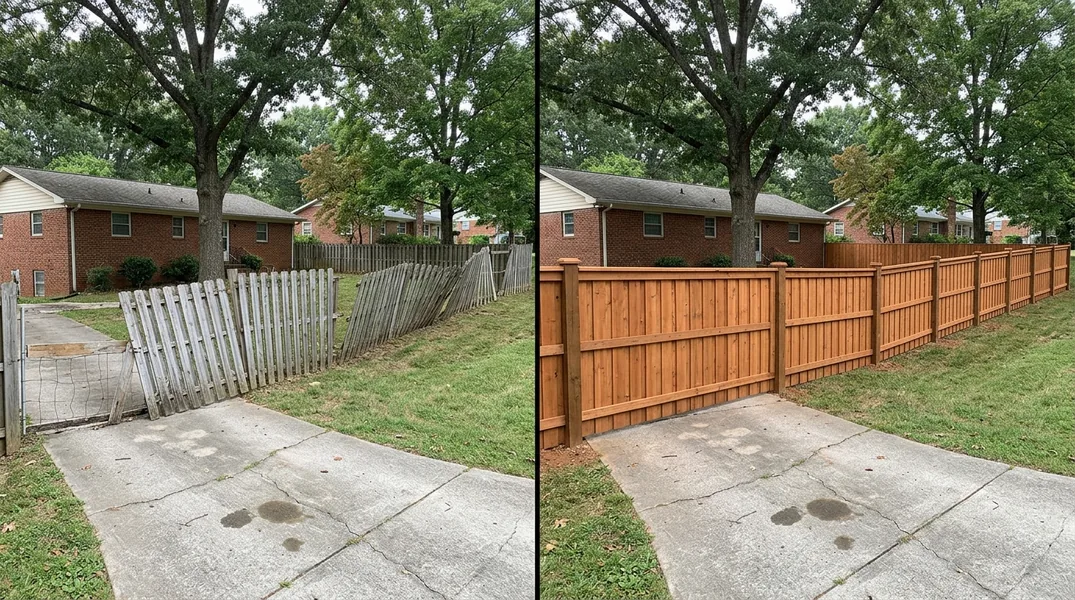
The reason for the 4-foot requirement is simple: it creates a barrier that is difficult for small children to climb over or see through. A fence that is too short fails to serve its purpose as an effective deterrent. When planning your pool fence installation in Knoxville, you should also consider that the fence needs to be sturdy and well-maintained. A wobbly or deteriorating fence that appears shorter than 4 feet may not meet code requirements. Wood & Privacy Fence Installation is a popular choice for pool barriers because it provides solid coverage and can easily meet height requirements when properly constructed.
Gap and Spacing Requirements for Pool Fence Barriers
Beyond height, Tennessee's pool barrier code is very specific about gaps and spacing in your fence. The regulations require that gaps in the fence be no larger than 4 inches. This measurement is crucial because it prevents small children from squeezing through or getting stuck in openings. If you have a fence with horizontal boards or slats, the spacing between those boards must not exceed 4 inches. This applies to both the height of the fence and the width of any openings.
Additionally, there cannot be any openings at ground level that would allow a child to crawl under the fence. This means the fence must be installed so that the bottom edge sits flush against the ground or is buried slightly. If your yard has uneven terrain, you may need to add additional materials at ground level to close any gaps. For pool owners considering Vinyl & PVC Fence Installation, this material naturally meets spacing requirements when installed correctly. The solid nature of vinyl panels eliminates many gap concerns that can arise with traditional wood fencing.
Self-Closing and Self-Latching Gate Requirements
Perhaps the most critical component of pool barrier code is the gate. Every gate providing access to the pool area must be equipped with a self-closing mechanism and a self-latching lock. This means the gate cannot remain open; it must automatically close and latch behind anyone who passes through it. The gate must also be designed so that it opens away from the pool, not toward it. This prevents someone from accidentally falling into the pool when opening the gate.
The self-latching mechanism must be positioned at least 54 inches above the ground, measured from the ground to the top of the latch. This height ensures that small children cannot easily reach and operate the latch. The latch should require a deliberate action to open, not something that could happen by accident. Additionally, the gate itself must meet the same height and gap requirements as the rest of the fence. When you're planning pool fence installation, working with experienced professionals ensures your gate system meets all these specifications. The gate is often the weakest point in a pool barrier system, so getting it right is essential for safety.
Pool Fence Installation Near Me: Working with Local Professionals
Installing a pool fence that meets all Tennessee requirements can be complex, especially when dealing with property lines, uneven terrain, and multiple access points. This is why many homeowners in Knoxville choose to work with professional fence installers who understand local codes. A qualified contractor will know exactly what inspectors are looking for and will ensure your installation passes the first time. Knoxville Fence Company specializes in creating code-compliant pool barriers that provide both safety and aesthetic appeal.
When you hire professionals for your pool fence project, you gain peace of mind knowing the work meets all legal requirements. Professional installers have the tools, experience, and knowledge to handle challenging installations. They can navigate setback requirements, utility locations, and property boundaries while maintaining code compliance. Whether you need Chain Link Fence Installation for a budget-friendly option or prefer the appearance of wood or vinyl, professionals can guide you toward the best choice for your specific situation. To discuss your pool fence needs and get started, reach out to Knoxville Fence Company at (865) 564-6298 or request a free estimate online.
Maintenance and Inspections: Keeping Your Pool Fence Code-Compliant
Installing a compliant pool fence is just the beginning. You must maintain it properly to ensure it continues to meet safety standards. Over time, wood fences can rot or warp, creating gaps that exceed the 4-inch requirement. Vinyl fences can crack or become loose. Gates can rust or fail to close properly. Regular inspections of your pool barrier system will help you catch problems before they become serious safety issues. You should check your fence at least twice per year, looking for gaps, damaged sections, and gate operation problems.
If you notice any damage or deterioration, address it immediately. A small gap that develops over time can quickly become a safety hazard. If your gate no longer closes or latches properly, it needs repair or replacement right away. Many pool-related accidents occur because barriers have been allowed to fall into disrepair. By staying proactive with maintenance, you protect your family and maintain your legal compliance. If your fence has sustained damage or you're unsure whether it still meets code requirements, contact Knoxville Fence Company for an inspection and any necessary repairs.
Looking for a professional tree service in Knoxville? Knoxville Fence Company responds fast for all your fence needs.
Get a Free Quote